
Older spring tension standards
That ten-to-twenty-year gap matters more than it sounds. A door and track system built in 1959 was engineered around different spring tension standards and different headroom assumptions than anything built after 1971.
Irvine, Richmond KY
Serving Irvine, KY from Richmond, 18 miles out. We know the 1959-era housing stock and the torsion hardware it still runs on. Call for a straight read on your door.
What we do here
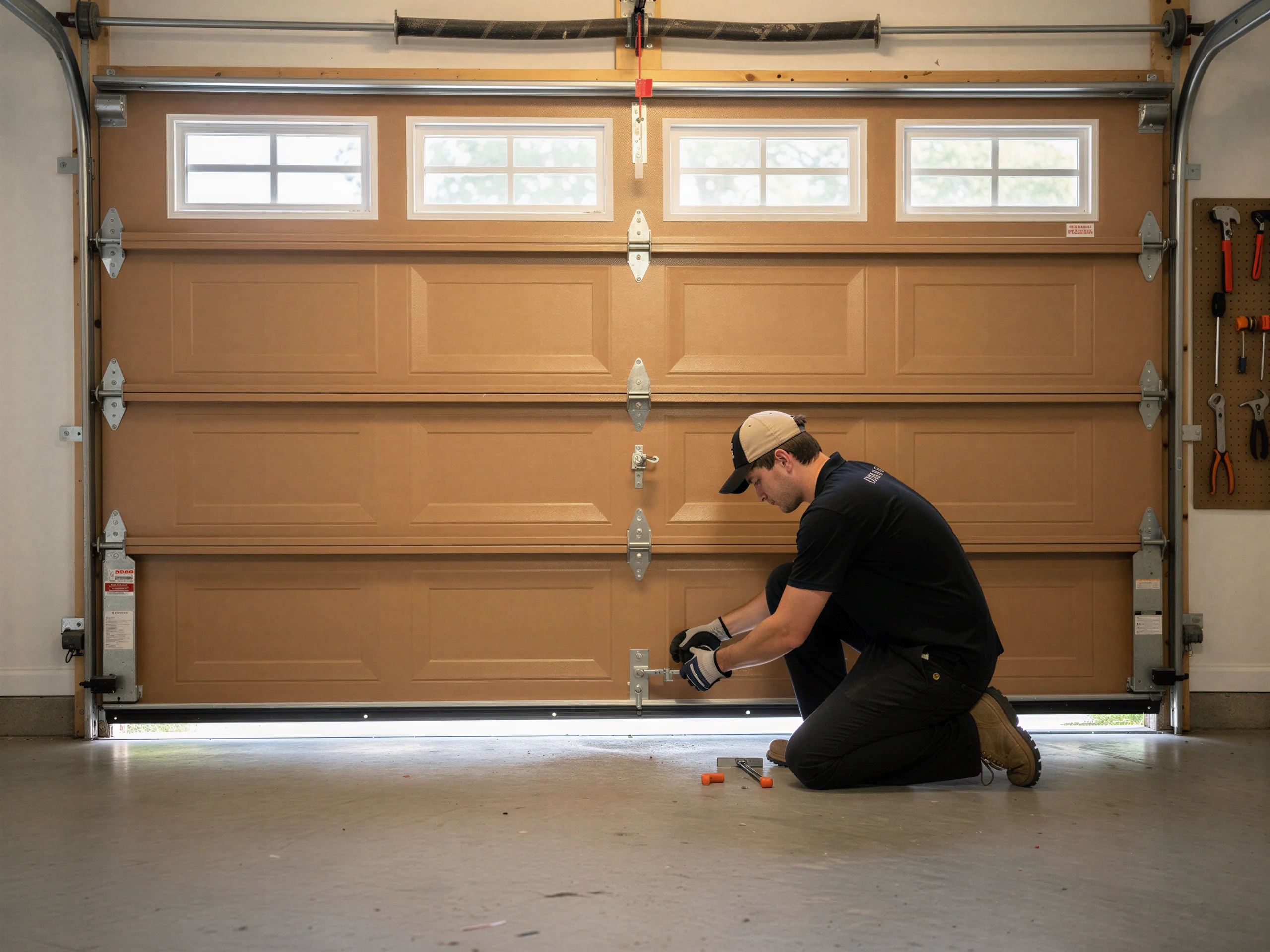
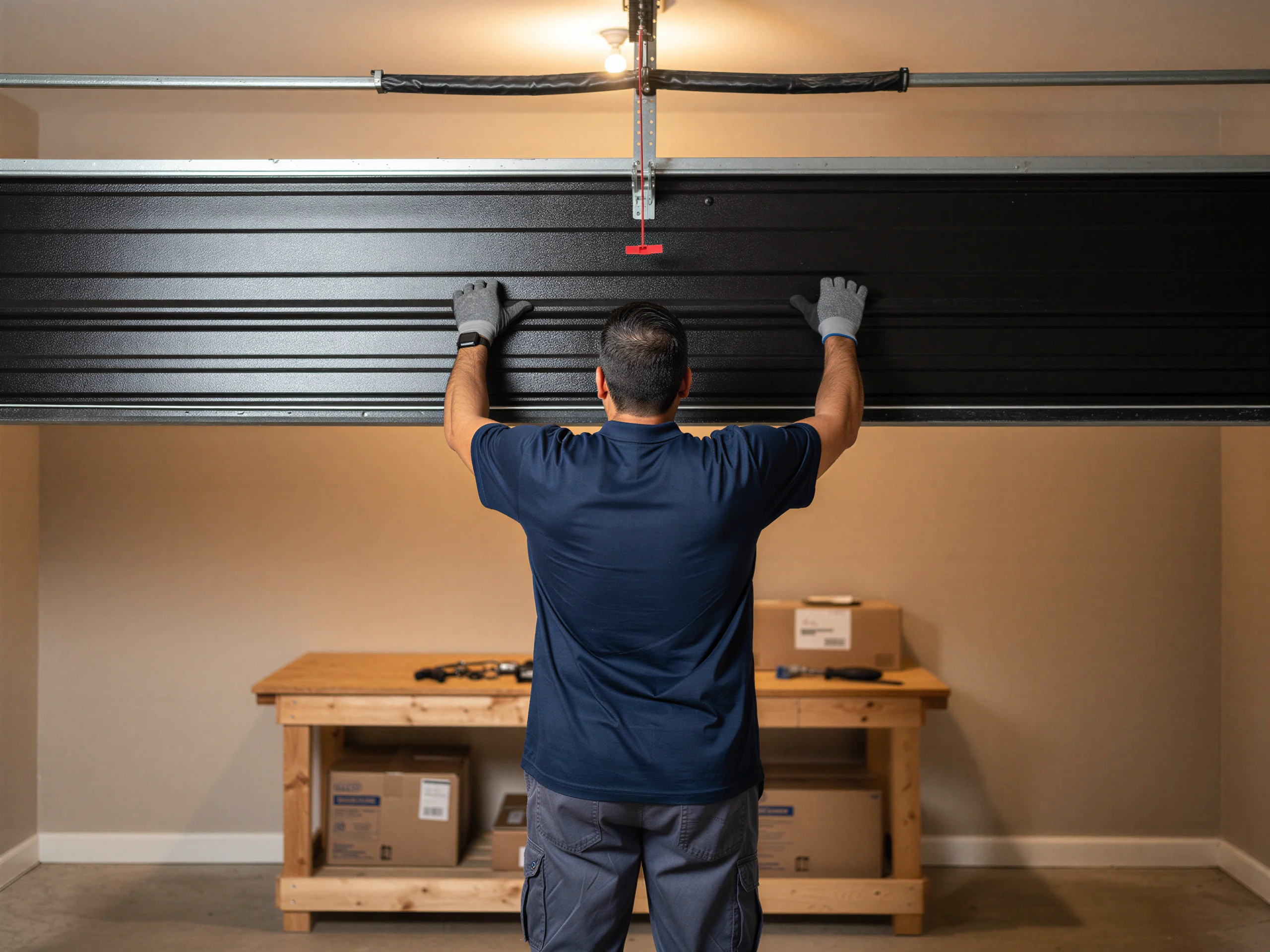
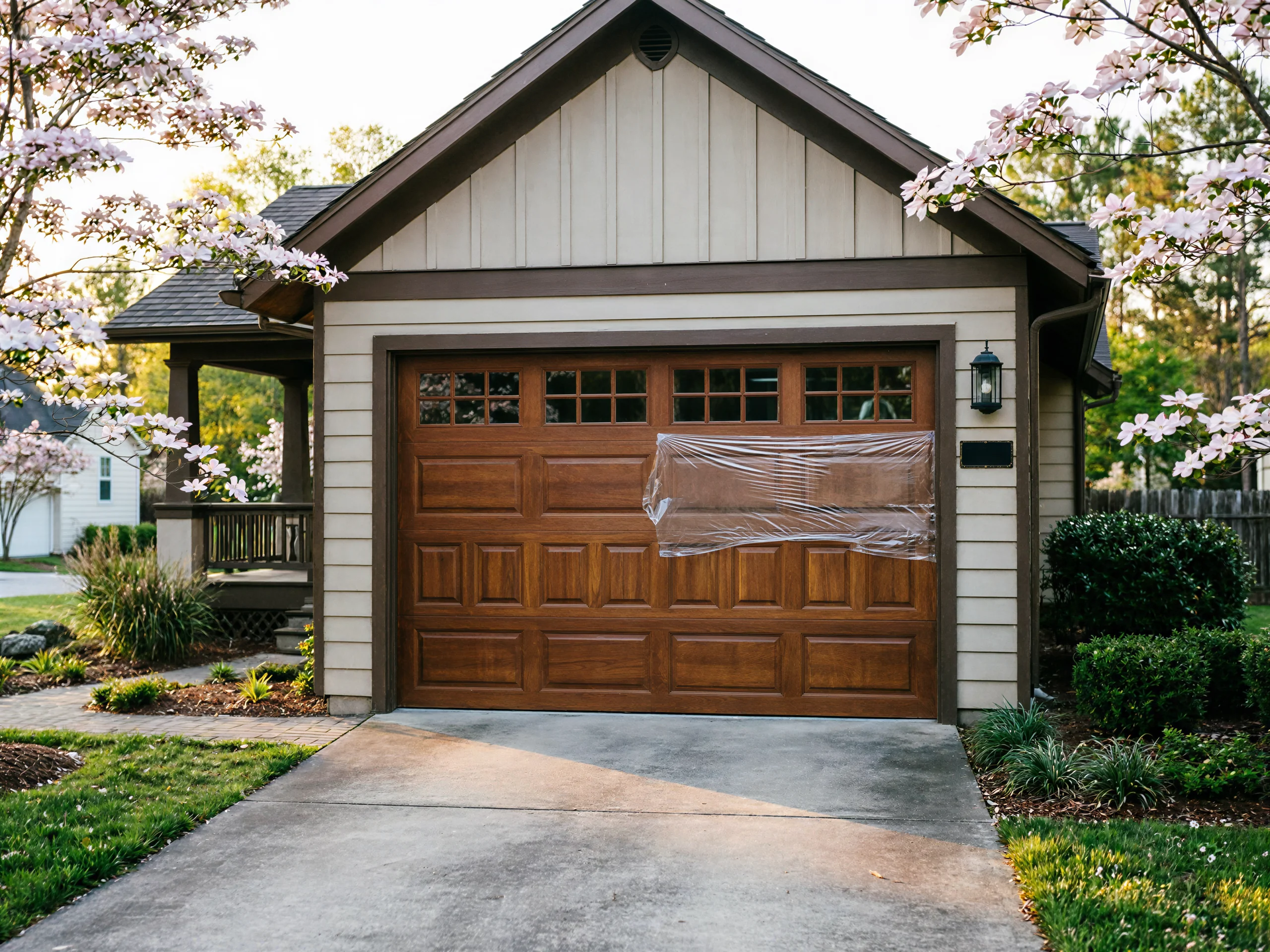
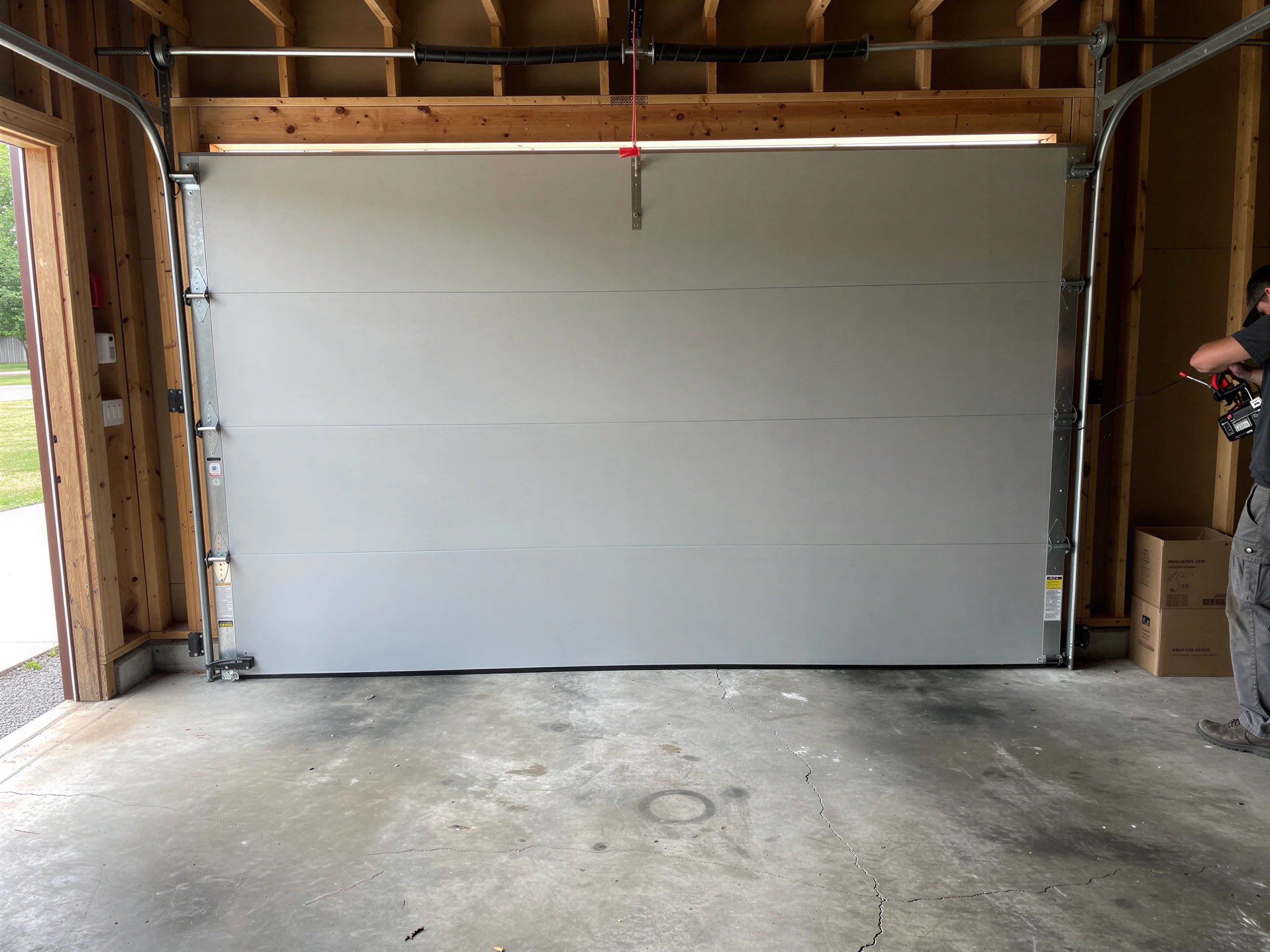
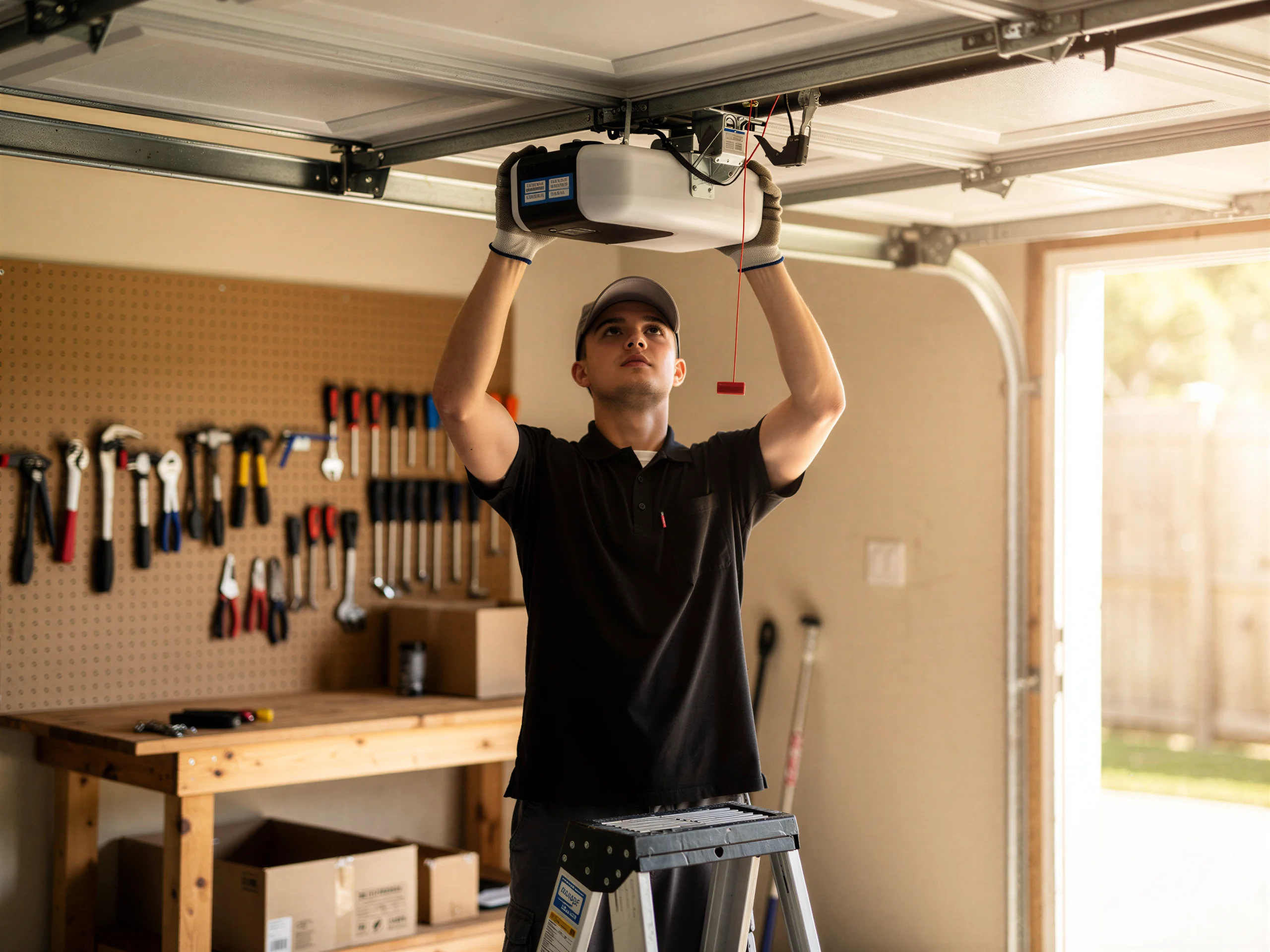
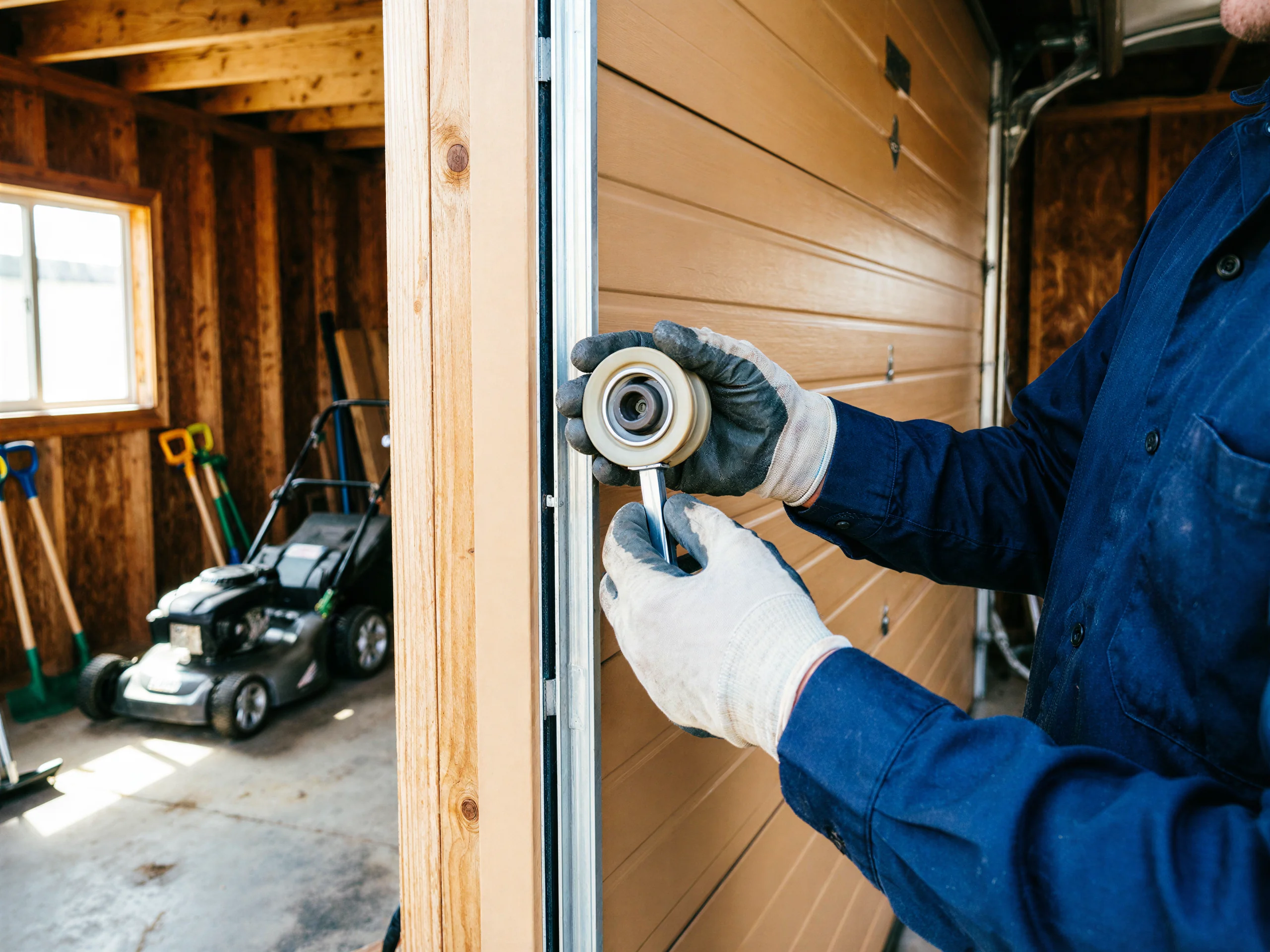
Old vs new homes
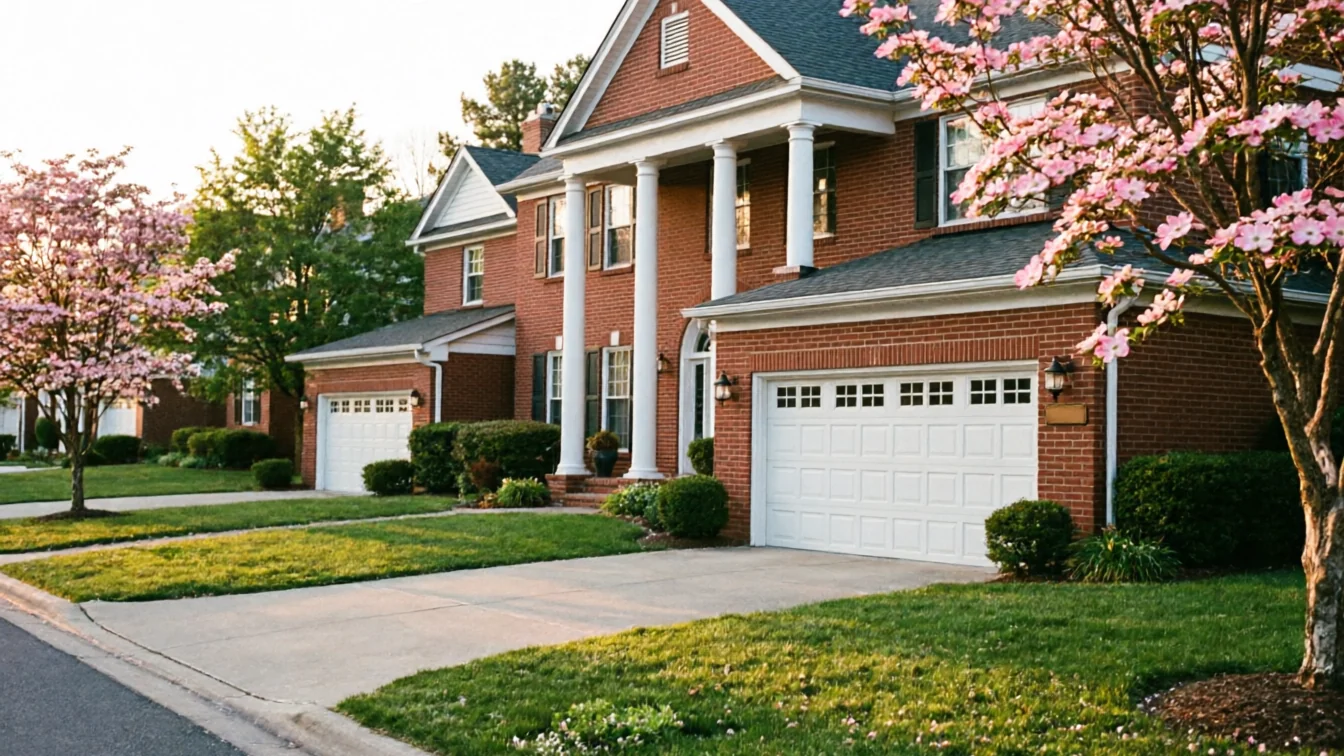
Irvine sits 18 miles from our Richmond shop, and the housing here skews older than a lot of what we see closer to town. Census figures put the median build year for the broader service area at 1971, but Irvine itself runs closer to 1959 - meaning a bigger share of the doors we open up here are original equipment from the late 1950s and 1960s, not the 70s-and-later stock that dominates other parts of our coverage.
That ten-to-twenty-year gap matters more than it sounds. A door and track system built in 1959 was engineered around different spring tension standards and different headroom assumptions than anything built after 1971.
We don't guess which era we're walking into on an Irvine call - we ask the age of the house before we load the truck, because the fix is different.
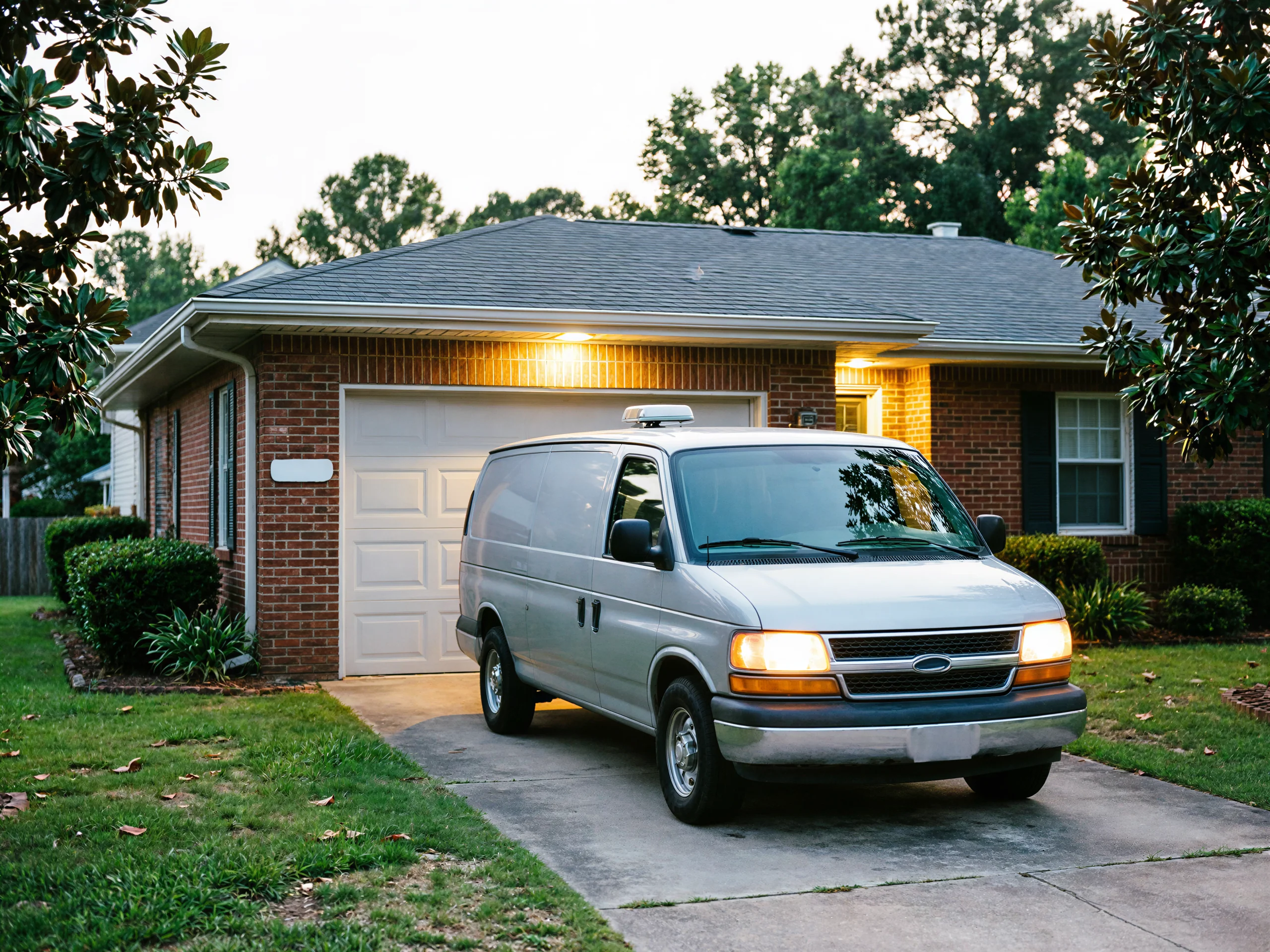
We're not based in Irvine. We drive out from Richmond for every job, which means we plan the trip around what the house is likely to need, not what's convenient to carry that day.
Our limits
We won't tell you a 1959 torsion spring setup can be patched with a universal part just because it's faster for us. Original hardware from that era sometimes uses spring sizes and drum configurations that aren't on the shelf at any supply house near Richmond, and ordering them can take longer than a same-week fix - we'll say so up front instead of stretching a repair past where it belongs.
We also won't drive out for a job we can diagnose over the phone as something outside garage doors - openers wired into whole-house smart systems, structural header issues, or framing work.
We stick to doors, springs, tracks, cables, rollers, and openers. If what you've got is a bigger problem than the door itself, we'll tell you that on the call instead of charging a trip fee to confirm it in person.
And we won't push full replacement on a door that's still sound just because it's old. Plenty of 1959-era one-piece and sectional doors are solid and worth keeping - the hardware around them is usually the weak point, not the panel.
Door impact
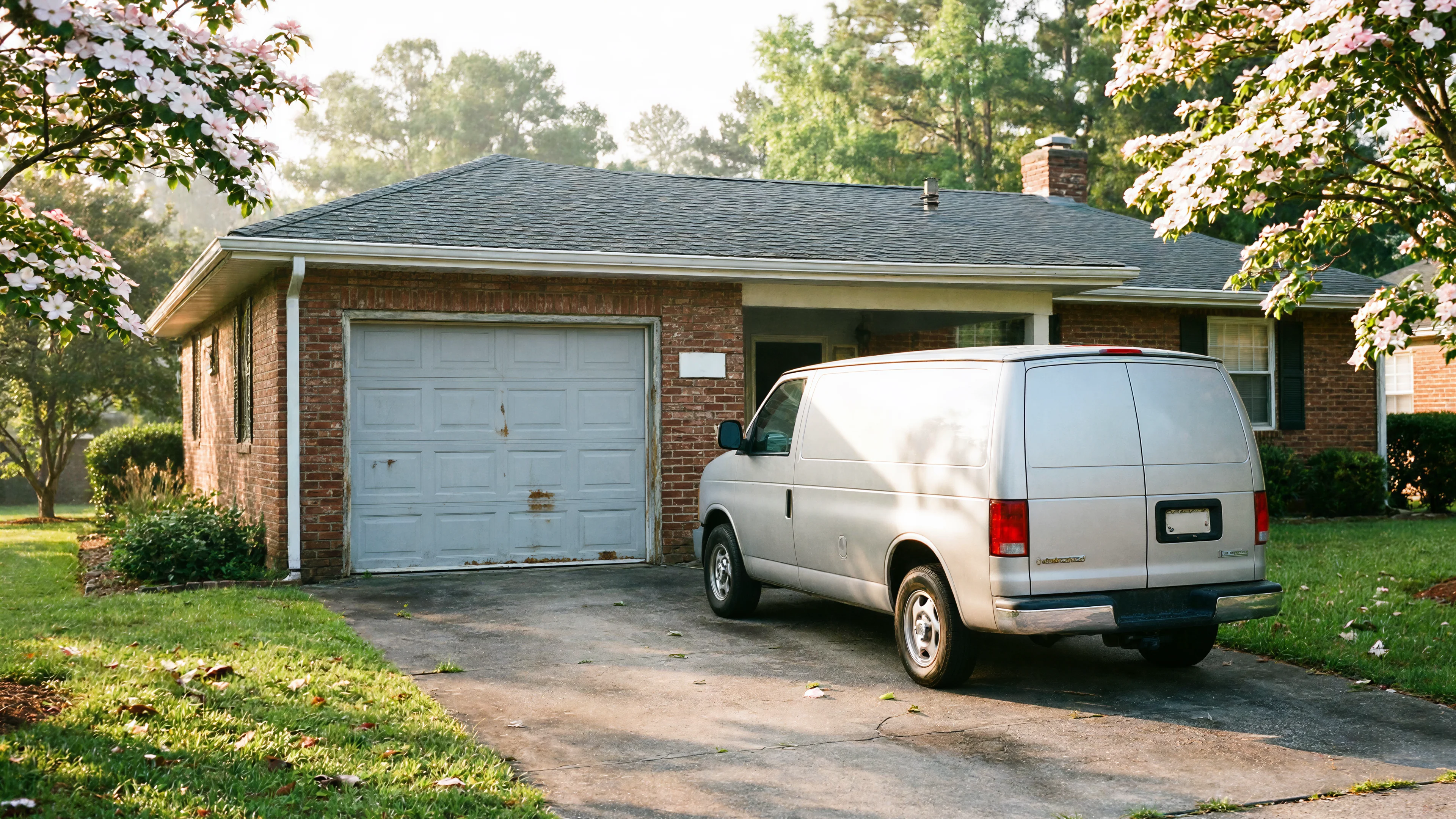
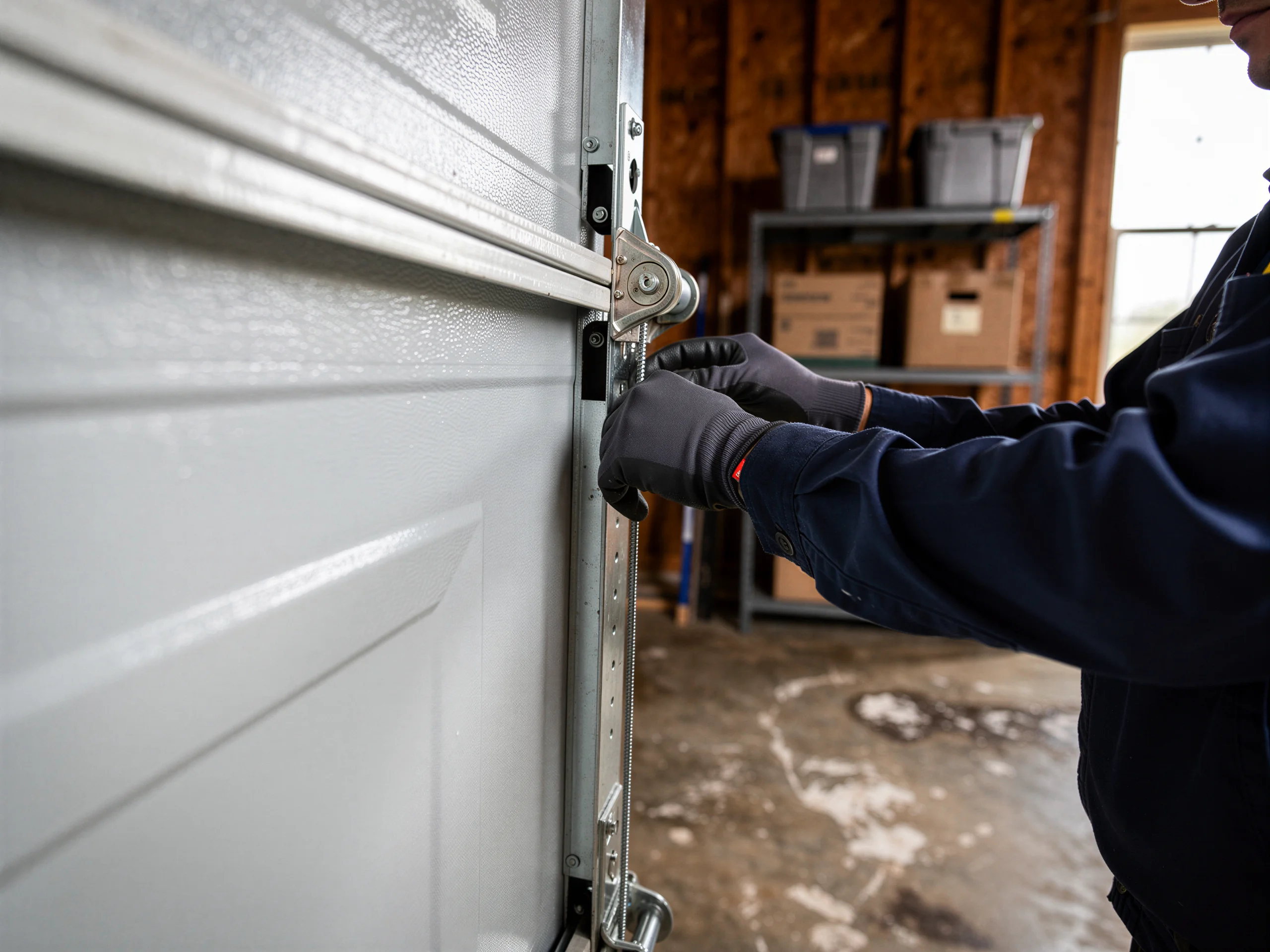
A door going into 1959 construction is almost always on side-mounted torsion hardware or an early extension-spring setup, depending on what the original builder spec'd. Either way, the parts are not what's sitting on a modern supply truck. We carry what covers the common 1960s-70s configurations across our service area, but a true 1959 original sometimes means a short wait on a specific spring or drum.
Winters here run in the severe-cold band, and houses from this build era weren't insulated or sealed the way current code requires. That shows up as doors that bind in January when old wood jambs swell, or openers that strain because the door itself has gotten heavier with age from moisture and warped panels. We see this pattern across the area's older stock, and it's worth checking a door's travel and balance before the cold snaps rather than after.
None of this means an older door is a lost cause. It means the diagnosis takes an extra five minutes to confirm what era of hardware we're actually working on before we quote anything.
Local housing
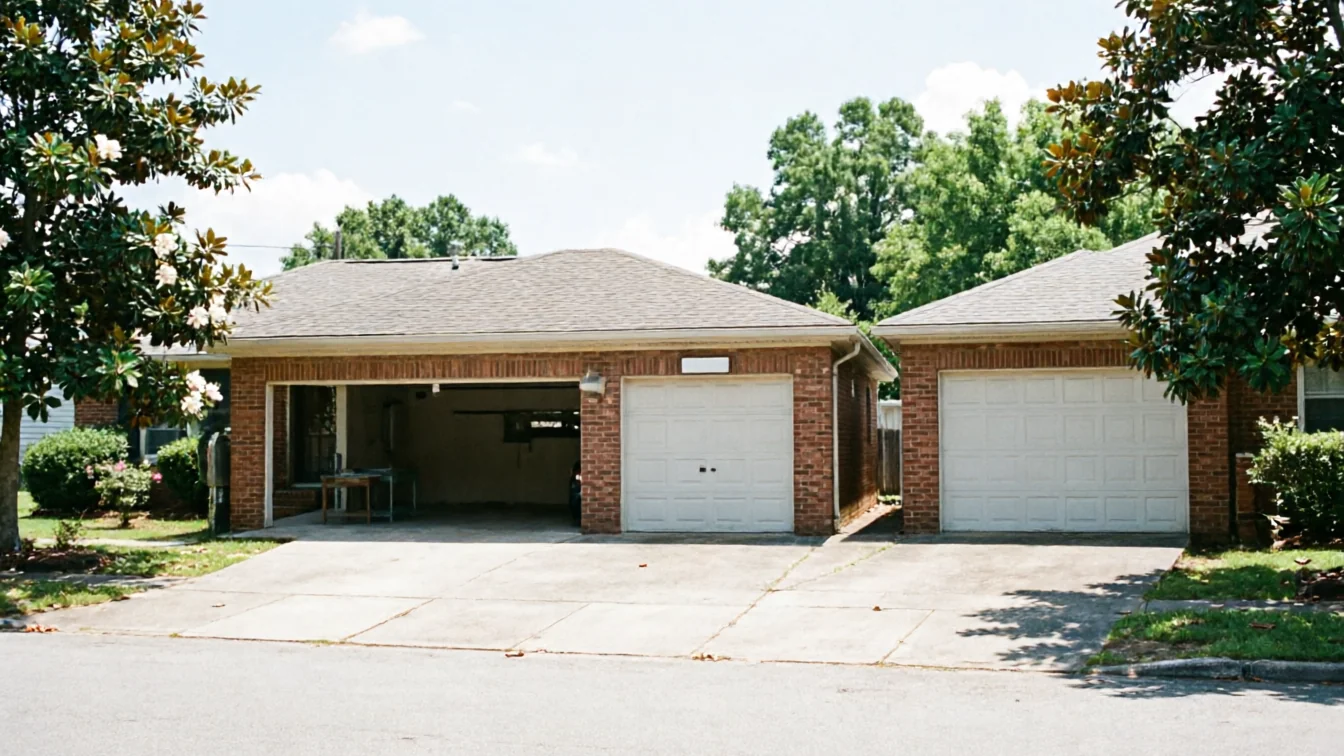
Irvine's housing runs older than the service-area average - median build year 1959 against a broader-area median of 1971 - and the area has roughly 1,211 households, smaller than the 16,654-household footprint we cover from Richmond. Median household income here is $36,292, well under the $51,139 figure for the wider service area, which is worth knowing because it shapes the calls we get: more repair requests, fewer full replacements, and more questions about whether a part is worth fixing versus swapping.
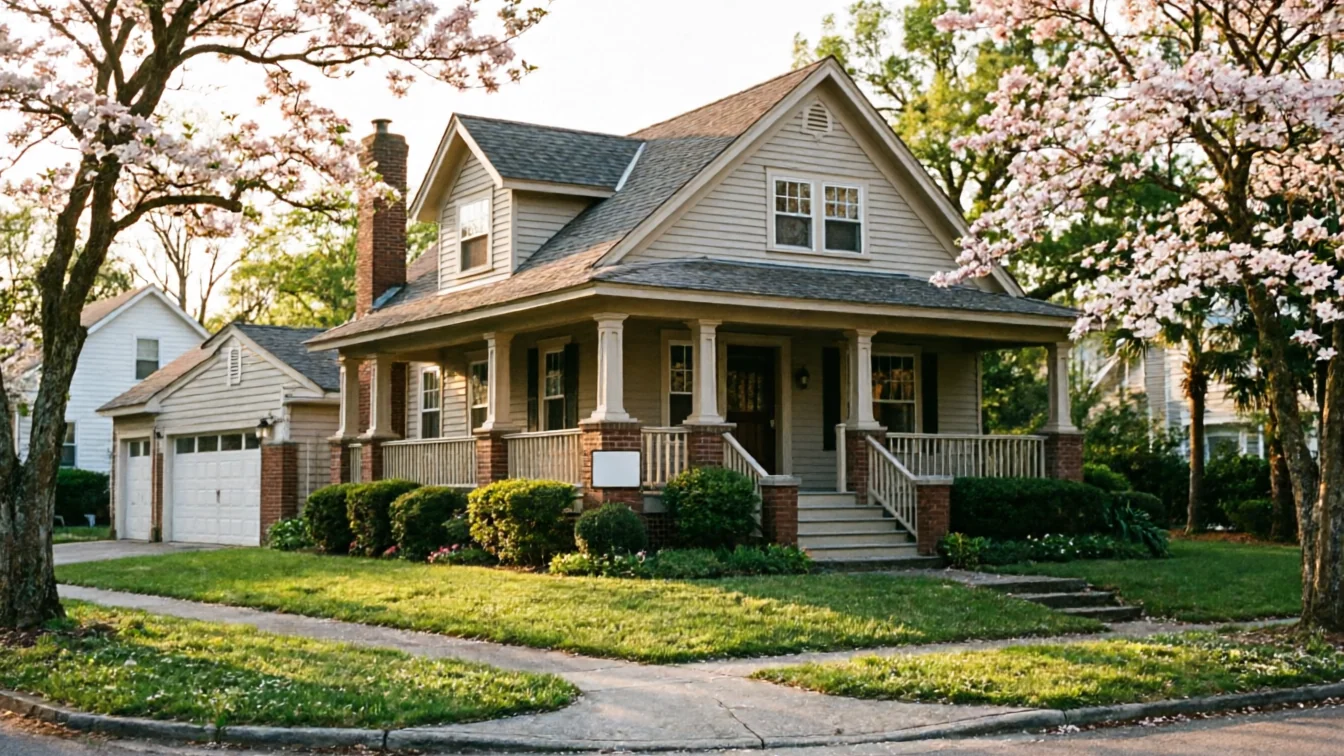
Across the broader area we cover - including Berea, Lancaster, and Winchester - most housing dates to the 1960s and 70s. Irvine runs ahead of that curve by a decade or more, which is the main reason we treat it as its own case rather than folding it into the general pattern. A door built for a 1959 house and a door built for a 1975 house aren't solving the same problem, even eighteen miles apart.
Service areas
Questions
No. We're based in Richmond and drive out to Irvine for every job, about 18 miles each way. We don't keep a local depot here, so we schedule around the drive rather than promising a same-hour arrival.
Irvine's housing stock runs older on average - median build year around 1959, versus 1971 for the wider area we cover. That means more original torsion or extension-spring hardware from an era when parts weren't standardized the way they are now, so diagnosis often takes a bit longer.
No. Plenty of older doors are structurally sound and just need hardware work - springs, cables, rollers. We only recommend replacement when the panel itself is damaged or the door's age makes finding parts impractical, not just because it's old.
The region sits in a severe-cold climate band, and houses from the late 1950s weren't built to current insulation standards. Wood jambs can swell and bind doors in cold weather, and openers can strain against doors that have gotten heavier with age. Checking balance before winter helps.
Ready when you are
Richmond Garage Door Pros repairs and installs garage doors, springs and openers in Richmond, KY and the surrounding area.