Blog
What a Service Call Actually Covers in Richmond
Richmond's housing stock runs 1959-1988 with a severe cold climate band. Here's what an actual service call checks, costs, and fixes on that kind of door.
The Seasonal Bit
Richmond sits in a cold climate band rated severe, and that shows up on the truck log every winter. A service call this time of year almost always starts the same way: check the torsion spring tension, because cold steel contracts and a spring that was balanced in August can be noticeably tight or loose by January. We check the track for ice buildup where condensation drips off the ceiling and refreezes at the bottom roller. We check weatherstripping at the bottom panel, because houses built in the 1960s and 70s - which is most of what's out there - were not built with insulated garage doors in mind, and the gap at the slab has usually been patched more than once. None of this is exotic. It's just what cold-climate houses with fifty-year-old door openings need checked on a normal visit, not an emergency one. If you call us in July the visit looks different: less about ice, more about the spring having baked all summer in a hot, closed-up garage box. Same door, different season, different first five minutes of the call.
What You Pay
We don't have a flat number to quote you here, and we're not going to make one up. What we can tell you is how the pricing logic works. A service call covers diagnosis and the first repair if it's straightforward - spring, cable, a roller, a sensor realignment. Parts and labor get itemized separately once we're looking at the door, because a torsion spring on a double door built in 1971 is not the same part as a torsion spring on a door installed last year, and sourcing matters. Richmond's median household income runs $51,139, and across the service area we're looking at 16,654 households with 6,658 of those owning the house outright rather than renting. That split matters: owner-occupied houses are the ones where a repair gets done properly instead of patched cheap for a landlord, and it's also why we see more repair calls than full replacements. Replacing a door and opener outright is sometimes the right call, especially on original 1960s hardware that's been limping along, but we'll tell you that on site rather than default to it.
What Local Conditions Do
Four distinct pockets of Richmond carry the same 1960s-70s housing stock, and that stock drives most of what we see. Original one-piece and sectional doors from that era were hung on hardware sized for lighter panels than what's sold today, so when an owner swaps in a heavier insulated door without upgrading the springs and opener, the whole system runs under strain from day one. We also run calls out past Richmond proper - Berea is about ten miles out, Lancaster seventeen, Irvine eighteen, Winchester twenty - and the housing age pattern holds across most of that stretch. A service call on a 1971-built door isn't the same job as one on a door installed in 2015, even if the symptom - a door that won't open - sounds identical on the phone. Track alignment, drum size, and cable gauge all shifted over those decades, so part of the call is confirming what's actually on the house before anyone touches a wrench.
The Problem
The problem on most of these calls isn't the door, it's the mismatch between original hardware and fifty years of weather cycling through it. Steel track mounted in 1971 has gone through this region's full swing of severe cold winters and humid summers more times than anyone's counted, and fatigue in the metal doesn't announce itself until a cable frays or a bracket pulls loose. We can't tell you over the phone whether your specific door is at that point - that takes eyes on it. What we can tell you is that a door original to a house built before 1988 is past the point where "just tighten it" is a real fix most of the time. Sometimes it is that simple. Often the honest answer is that the part holding things together is the same part the house came with, and it's due.
Questions
Common questions
How old is a typical garage door in Richmond likely to be?
Most houses in the service area went up between 1959 and 1988, with the median build year around 1971, so a lot of the doors we see are either original to the house or a first-generation replacement. That matters for what parts fit and whether a repair is even worth doing versus a full swap.
Do you charge extra for calls outside Richmond proper?
We run calls out to Berea, Lancaster, Irvine, and Winchester, among other nearby spots, and distance is a factor we account for. We don't have a published flat rate to quote here - ask when you call and we'll give you a straight answer before anyone drives out.
Why does my spring feel different in winter than summer?
Richmond's climate band is rated severe cold, and steel torsion springs tighten or loosen slightly as temperature swings. A spring balanced in warm weather can feel off in January. It's a normal seasonal check, not necessarily a sign the spring has failed.
Is it worth fixing an original 1960s or 70s door, or should I replace it?
Depends on what's actually wrong. Hardware fatigue after fifty years of this region's weather is common, and sometimes a repair just buys a few more months before the next part fails. We'll look at the specific door and give you the honest read rather than push a tear-out by default.
Recommendation
You Might Also Like
More garage door guides for Richmond homeowners.
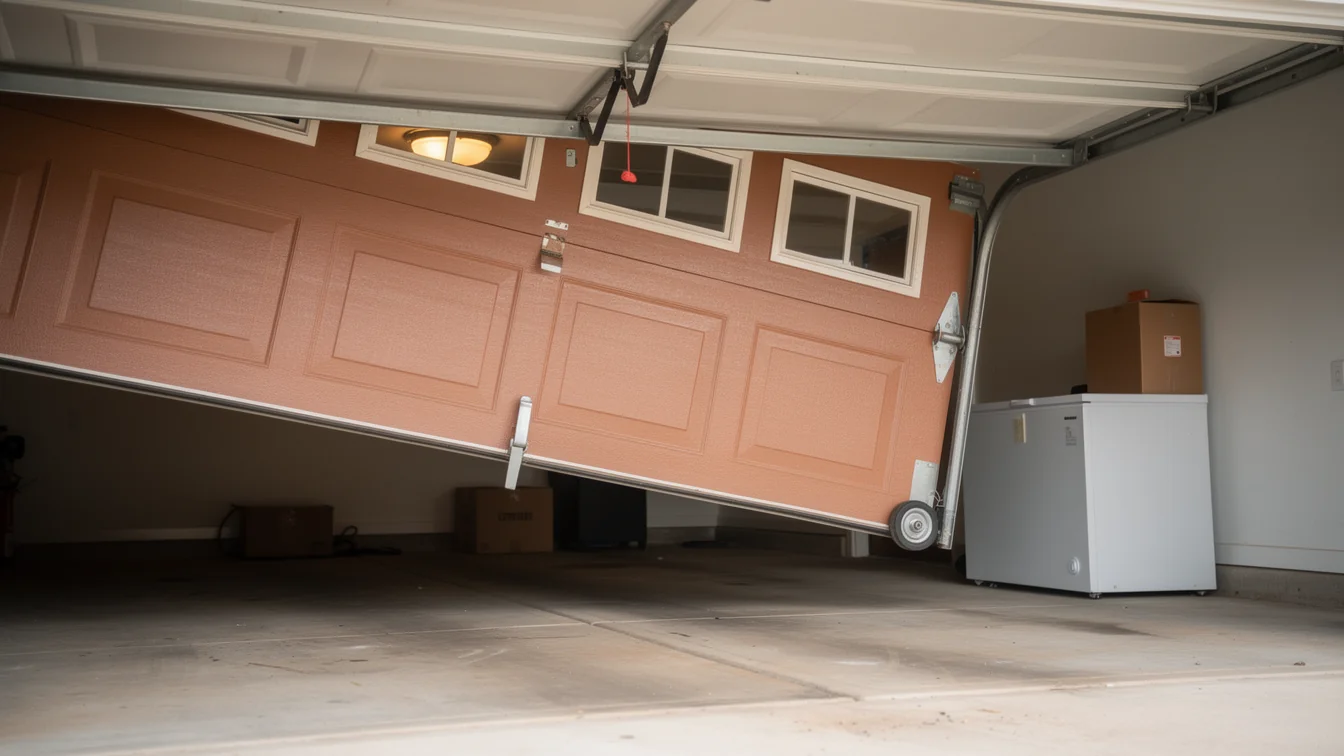
Why Richmond's Older Housing Stock Changes the Garage Door Job
Richmond's housing mostly went up between 1959 and 1988, before modern insulation codes.
Read guide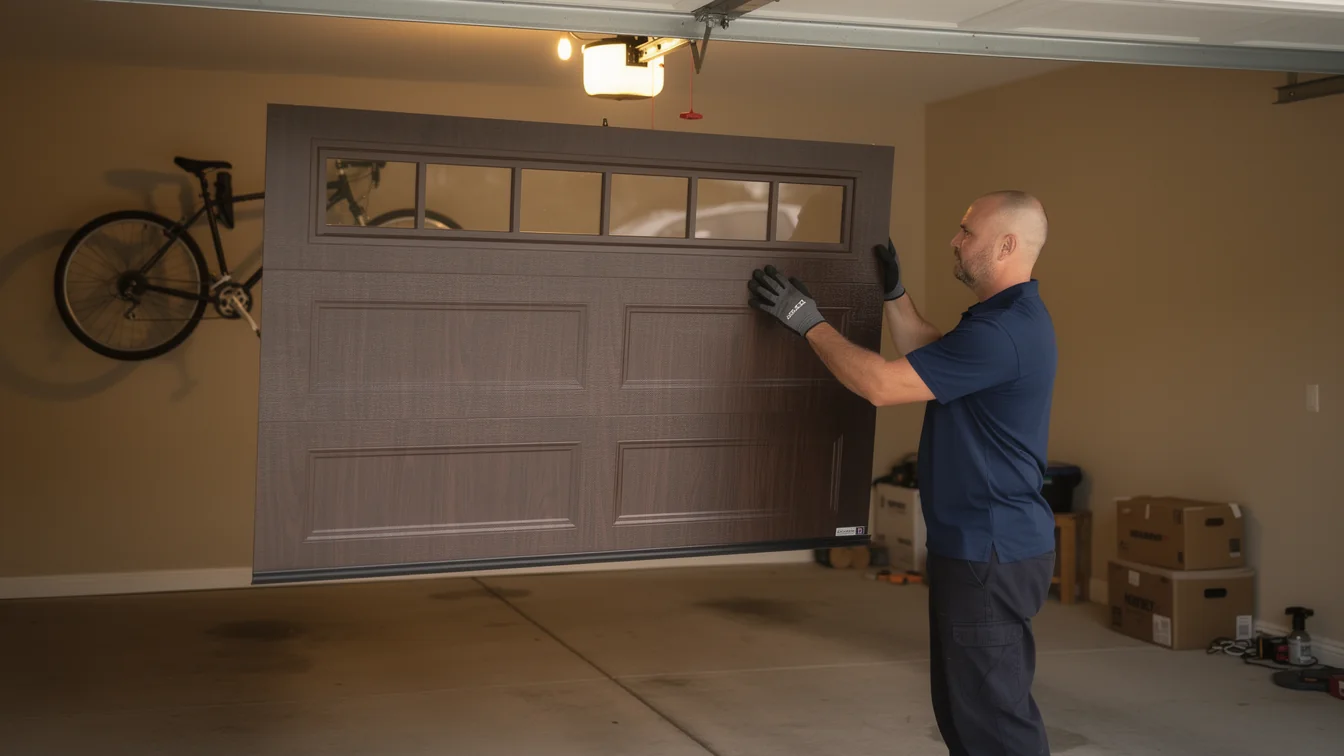
Openers and Power Cuts in Richmond Homes
Richmond homes built 1959-1988 run openers that fail hard in winter power cuts.
Read guide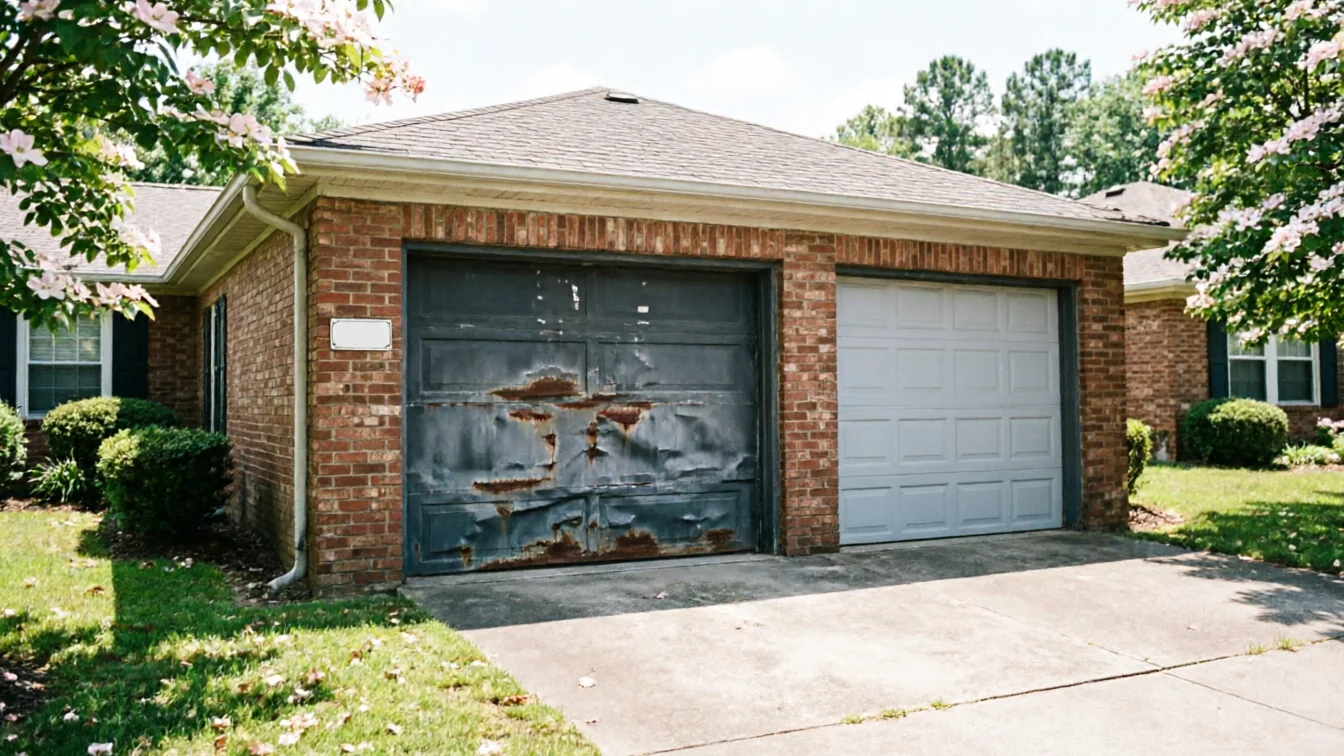
When a Richmond Garage Door From the 60s or 70s Is Worth Repairing
A Richmond, KY guide to deciding whether a 1960s-70s garage door is worth repairing, based on local housing age, climate, and household income data.
Read guideReady when you are
Need a garage door sorted in Richmond?
Richmond Garage Door Pros repairs and installs garage doors, springs and openers in Richmond, KY and the surrounding area.